“coffee leaves” search results (9400)
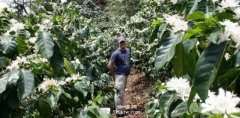
The most destructive disease of coffee trees, leaf rust.
The most destructive coffee tree disease is caused by coffee camel rust (Hemileia vastatrix). The disease has long occurred in coffee-producing areas such as Africa, the near East and India, Asia and Australasia. It first appeared in the Western Hemisphere in 1970 and was found in Brazil. The once thriving coffee plantations in Sri Lanka and Java were destroyed by the
2015-01-08 Destructive big coffee disease leaf rust rust destructive
Choose a suitable spaghetti jar with coffee bean concentrate macchiato
Then it is recommended to choose a heavier or lighter vat? I usually choose a lightweight flower jar, which makes it easier for you to control it at the beginning of the drawing, and you can easily control it. You can give a certain amount of foam at will, give any swinging frequency, and the inertia of foam can be easily controlled. A very heavy flower-drawn cylinder, which can be made of stainless steel.
2016-07-19 Select fit pull flower jar meaning style spelling coffee beans concentrated macchiato
Explain the planting and cultivation of coffee trees in detail to understand the growth environment and needs of coffee trees.
(1) Seedling propagation Coffee seedling propagation can be divided into seed propagation and asexual reproduction. 1. Seed propagation (1) seed collection, seed washing and seed storage during the full ripening period of coffee (the full ripening period of medium-grain coffee in Hainan Island is from February to March, and that of small seed is from September to November). The fully ripe fruits are picked from strong and high-yielding mother trees to make seeds. Immediately after the fruit is harvested, peel and wash the seeds. The method is to place the fruit.
2015-11-25 Details explanation coffee planting cultivation understanding growth environment demand
Coffee making skills Coffee flower tips
1 milking: the most important technique, although not very advanced, but requires a long time of practice, requires fine and smooth milk foam, do not have large foam. 2 milking angle: it is best to milk at an angle of 45 degrees with the steam sprinkler, depending on the thickness of the foam according to the fluctuation. Three hearts! The most basic flower drawing technique, if friends want to do better, they must put the shape of the heart
2014-09-24 Coffee knowledge coffee flower drawing coffee making
Boutique Coffee Technical Coffee techniques
1 milking: the most important technique, although not very advanced, but requires a long time of practice, requires fine and smooth milk foam, do not have large foam. 2 milking angle: it is best to milk at an angle of 45 degrees with the steam sprinkler, depending on the thickness of the foam according to the fluctuation. Three hearts! The most basic flower drawing technique, if friends want to do better, they must put the shape of the heart
2014-12-18 Boutique coffee technology flowers tips milking the most important though no
The process of planting and picking Coffee basic knowledge of Coffee
The first people to drink coffee lived in Ethiopia. A drink called Buncham was found in the Arab scientific literature of 900-1000 AD, but it is not certain that it is coffee. These documents mainly record the scientific value of this bean called Buncham. In addition to introducing the protective effects of this drink on the stomach, organs and skin, the author also mentioned that it can make
2015-02-16 Coffee planting picking process basics common sense
Technical guidance for the cultivation of small-grain coffee
The cultivation techniques of small-grain coffee planting, land preparation, variety selection, timely planting, shade and so on.
2014-06-17 Coffee knowledge small grains of coffee coffee encyclopedia
The skills of planting and harvesting Coffee the growth status of coffee trees
The first people to drink coffee lived in Ethiopia. A drink called Buncham was found in the Arab scientific literature of 900-1000 AD, but it is not certain that it is coffee. These documents mainly record the scientific value of this bean called Buncham. In addition to introducing the protective effects of this drink on the stomach, organs and skin, the author also mentioned that it can make
2015-10-07 Coffee planting harvesting skills growth condition
The knack of making Coffee with fancy Coffee
1 milking: the most important technique, although not very advanced, but requires a long time of practice, requires fine and smooth milk foam, do not have large foam. 2 milking angle: it is best to milk at an angle of 45 degrees with the steam sprinkler, depending on the thickness of the foam according to the fluctuation. Three hearts! The most basic flower drawing technique, if friends want to do better, they must put the shape of the heart
2014-10-20 Coffee knowledge fancy coffee coffee flower
The origin, history and culture of coffee beans
Africa is the hometown of coffee. The coffee tree is probably an atlas of coffee culture found in Ethiopia's KAFFA province. Later, batches of slaves were sold from Africa to Yemen and the Arabian Peninsula, and coffee was taken everywhere along the way. To be sure, Yemen started growing coffee in the 15th century or earlier. Although the Arabs have
2016-06-01 Coffee beans origin history and culture Africa coffee hometown probably in Ethiopia
10 steps to detect boutique coffee beans
Test coffee 10 step 1. Prepare a little (about 10 grams) freshly roasted and immediately ground coffee in a small cup. two。 Smell it and see its dry fragrance. 3. Pour in hot water of about 95 degrees Celsius, do not boil, immediately pour in, leave for about half a minute, wait for the temperature to drop slightly, then pour into the coffee powder. 4. Take a closer look at the aroma coming from the rising steam. 5. Put this cup of sample
2014-09-05 Coffee knowledge boutique coffee beans testing coffee beans
Introduction of raw and ripe beans in the process of coffee bean germination, growth and baking
According to an Arab legend, around 1250, the exiled chief Omar discovered exuberant wild coffee berries. The hungry and tired sheikh boiled some of the fruit in water and drank the brewed coffee pulp. He liked the change in his diet very much and gave the drink to some people who had just recovered from a serious illness. Chief Omar.
2016-10-17 Coffee beans sprouting processing growth baking process raw and ripe introduction
Development History of Coffee Origin Coffee from Coffee Bean Variety and Coffee Origin
Bubang (the second species mutated from Typica) is the closest to the original species as Typica. It was found in Reunion (formerly Bourbon) near Madagascar. It has the same high-quality taste as Typica, like the sour taste of red wine, and the aftertaste is sweet. The leaves of Typica and Bourbon,Bourbon can be distinguished by the leaves and bean appearance of coffee trees.
2016-05-26 Coffee beans varieties origin coffee development history
Taiwan's "Coffee Prince" Changsha Show "pull Flowers"
Lim Dong-Won, a coffee master from Taiwan and known as the Coffee Prince, recently performed a wonderful coffee show for coffee enthusiasts in Changsha. A common cappuccino or latte was pulled out by him with different patterns of love, leaves, butterflies and so on. The coffee pull is a change made on the original cappuccino or latte. The seemingly simple pull flower, its
2014-11-04 Coffee News Taiwan Coffee Coffee Prince Coffee pull
Coffee leaf rust has caused serious losses in Central American coffee producing countries.
Coffee leaf rust, which begins to spread among coffee trees as small yellow spots, will soon turn coffee leaves into a pile of dead leaves. In five years, the plague among coffee trees reduced coffee production in Central America to an all-time low, affecting not only the price of coffee, but also the labor balance in the region, forcing many local citizens to emigrate illegally to the United States. Since 2
2015-01-12 Coffee leaf rust rust once caused Central America producing country loss serious coffee
Safe intake of caffeine
Coffee is an indispensable drink for Westerners in life, whether it is waking up in the morning to awaken the sleeping soul, refreshing at work or the leisure of afternoon tea. Because of the natural ingredients found in the leaves, seeds or flesh of more than 60 plants, such as coffee beans, cocoa beans, cola beans and tea, the most common food sources are coffee, tea and Qiao.
2014-08-05 Caffeine safety intake coffee Westerners as far as life is concerned indispensable beverage
Types of coffee in common areas of Sumatra, Indonesia
Types of coffee in common areas of Sumatra, Indonesia, SPECIALTY COFFEES OF SUMATRA REGIONS OF INDONESIA
2014-06-17 Coffee knowledge Indonesian coffee Sumatran coffee
The common sense of espresso the tricks of coffee pull
1 milking: the most important technique, although not very advanced, but requires a long time of practice, requires fine and smooth milk foam, do not have large foam. 2 milking angle: it is best to milk at an angle of 45 degrees with the steam sprinkler, depending on the thickness of the foam according to the fluctuation. Three hearts! The most basic flower drawing technique, if friends want to do better, they must put the shape of the heart
2015-05-13 Italian style coffee flower common sense tips milking the most important technology though no
A detailed analysis of the whole process of a coffee from coffee seed to coffee tree and then to coffee bean picking
The first people to drink coffee lived in Ethiopia. A drink called Buncham was found in the Arab scientific literature of 900-1000 AD, but it is not certain that it is coffee. These documents mainly record the scientific value of this bean called Buncham. In addition to introducing the protective effects of this drink on the stomach, organs and skin, the author also mentioned that it can make
2015-12-29 One coffee seed and then coffee beans picking the whole process detailed analysis
Coffee theory how much basic knowledge do you know about coffee?
Arabica is just a big division of the coffee tree pedigree. When it comes to the coffee tree pedigree, it is as long and complex as the genealogy, and the coffee beans produced by each different coffee tree have its own special flavor. At present, the three most important and productive coffee trees in the world are genealogies: Arabica, Robusta and Liberika. And it belongs to Arabica.
2016-05-31 Coffee theory know how much basic knowledge rabbi just coffee tree species spectrum